
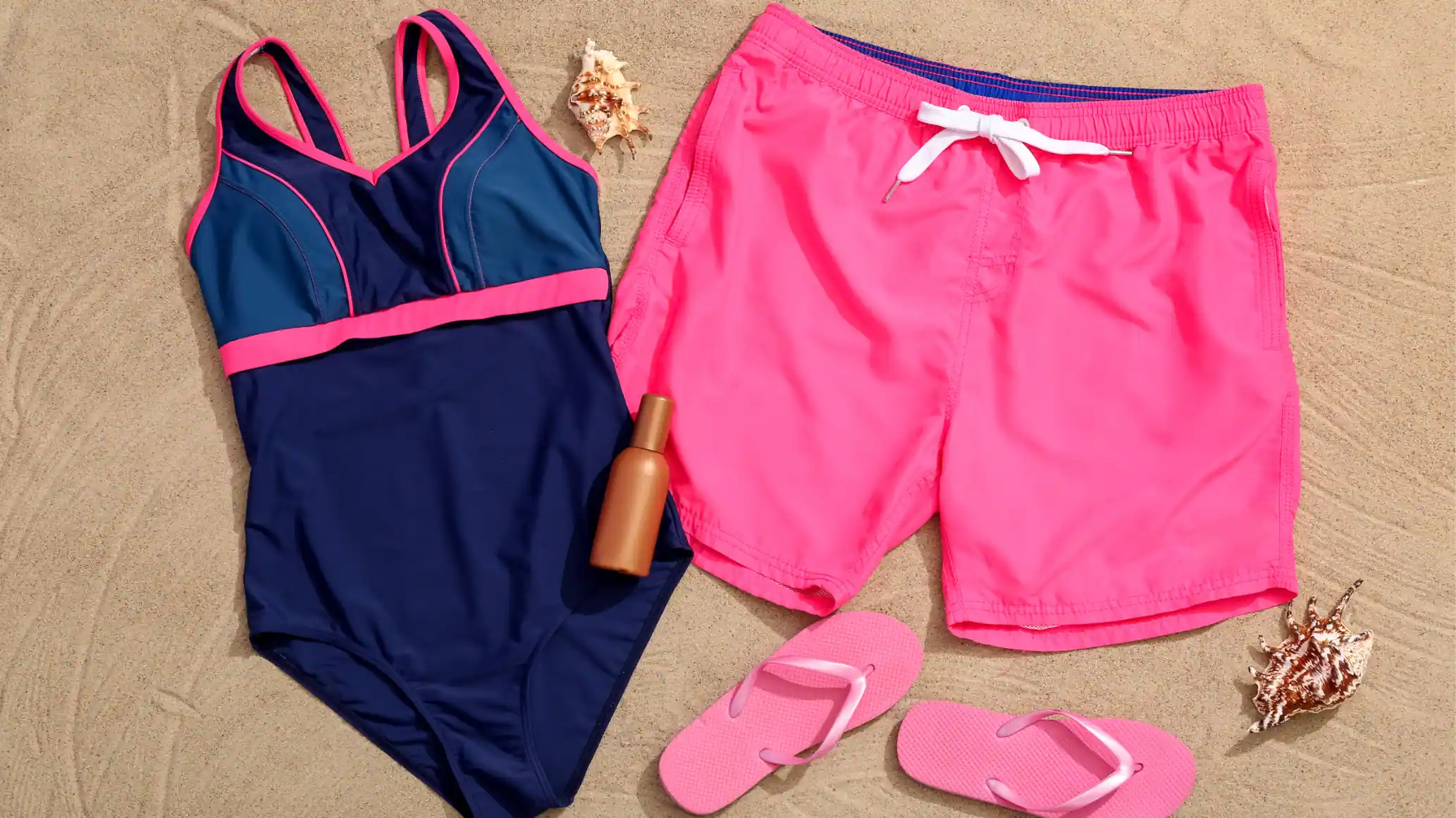
A swimwear design can look perfect in a sketch or digital mockup, but the finished garment may fit differently once you make it with the actual fabric, lining, and elastic. A neckline might sit lower than expected, the leg opening might feel too loose, or the fabric might lose coverage when stretched. These are the kinds of issues that a sample can help you identify before you commit to bulk production.
For Australian swimwear brands, sampling gives you a chance to check whether a design matches your customers’ expectations for fit, coverage, comfort, and appearance. It also helps you communicate specific changes to your manufacturer before they produce the full order.
The process starts with a clear product brief, followed by sample fitting, revisions, and final approval. In this guide, we’ll cover how to prepare your swimwear specifications, assess sample fit, communicate revisions to your manufacturer, and approve the final sample before moving into bulk production. Each step helps you make informed decisions about your collection and gives your manufacturer a clear reference for production.
Why Swimwear Sampling Matters Before Bulk Production
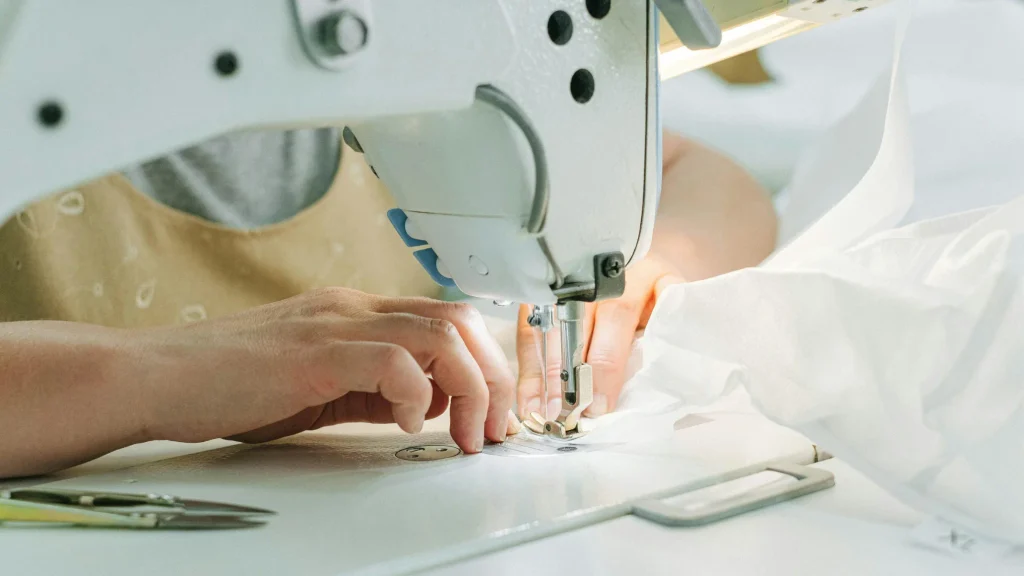
Swimwear relies on the way fabric, elastic, lining, and garment construction work together. Even a small adjustment to a strap, seam, or leg opening can change how a swimsuit fits and feels.
A sample lets you inspect the actual garment instead of relying only on measurements or design references. You can check whether the manufacturer has interpreted your design correctly and identify any details that need improvement.
During sampling, pay attention to:
- Fit and proportions: Check the bust, waist, hips, torso length, neckline, and leg openings against your intended design.
- Coverage: Make sure the garment provides the level of coverage you want, including when the fabric stretches.
- Fabric performance: Review stretch, recovery, lining, opacity, and how the fabric feels against the skin.
- Construction: Inspect seams, elastic placement, stitching, straps, and closures where applicable.
- Finishing: Check print placement, colour consistency, labels, and other branding details.
The goal is not simply to produce a sample that looks like your design. You need a sample that meets your specifications and provides a reliable reference for the next stage.
How to Make and Approve Swimwear Samples Before Production
Before starting bulk production, you need to make sure your swimwear fits well, uses the right materials, and matches your design. A sample gives you the chance to check these details and request changes before making the full order. The steps below explain how to prepare your design details, check the sample’s fit, give feedback to your manufacturer, and approve the final sample.
1. Prepare a Clear Swimwear Brief
Before sampling begins, give your manufacturer enough information to understand what you want to make. A reference photo alone may show the overall style, but it usually cannot communicate every measurement, construction detail, or finishing requirement.
A tech pack is a useful starting point because it brings the product specifications into one document. It can include technical drawings, measurements, fabric information, stitching details, colour references, and branding requirements.
If you don’t have a complete tech pack yet, prepare a clear design brief with as much information as possible.
Your brief should cover:
- Swimwear style: Specify whether you are developing a bikini, one-piece swimsuit, tankini, rash guard, or another style.
- Target fit: Explain whether you want a close-fitting, supportive, high-cut, or more covered silhouette.
- Size range: Provide your intended sizes and the measurement chart you want the manufacturer to follow.
- Fabric and lining: Share your preferred materials, fabric references, lining requirements, and colour choices.
- Construction details: Identify features such as adjustable straps, removable cups, elastic waistbands, closures, or decorative hardware.
- Branding: Include your logo, label placement, print artwork, and other finishing requirements.
Also explain how customers are expected to wear the product. A bikini designed for beach holidays may have different fit and coverage priorities from a swimsuit intended for regular swimming or surfing.
2. Set Your Measurements and Size Specifications
Fit approval becomes much easier when you and your manufacturer work from the same measurements.
Start by identifying the measurements that matter for your specific design. A bikini top needs different fit checks from a one-piece swimsuit, while a rash guard may require more attention to sleeve length, shoulder movement, and body length.
For a bikini, you may need to specify bust and underbust measurements, cup coverage, strap length, waistband dimensions, and bottom coverage.
For a one-piece swimsuit, include the bust, waist, hip, torso length, neckline, and leg opening. Torso length deserves particular attention because a swimsuit can feel uncomfortable if the body length doesn’t suit the wearer, even when the bust and hip measurements appear correct.
Be clear about whether each number describes the body or the finished garment. These measurements serve different purposes, and confusing them can create problems during pattern development.
Our guide to body measurements versus garment measurements explains the difference and why manufacturers need clear measurement references.
For Australian brands, use the size chart developed for your target customers rather than assuming that a generic size label will produce the fit you want. A size M from one brand may have different measurements from a size M from another.
Record the measurement method, units, and reference points in your specifications. This makes it easier to compare the sample against your intended fit and communicate revisions accurately.
3. Choose Fabric and Construction Before Final Fit Approval
Fabric choice affects how a swimsuit stretches, supports the body, and maintains its shape. That is why you should evaluate the actual material intended for production instead of approving a sample made with a different fabric and assuming the final garment will behave the same way.
Start by discussing the fabric’s composition, stretch, recovery, weight, texture, and intended use with your manufacturer. Consider how the outer fabric works with the lining and elastic, as these components can influence the final fit.
During the sample review, check whether:
- The fabric stretches comfortably without creating unwanted pulling.
- The material returns to its intended shape after stretching.
- The lining provides the coverage you expect.
- The seams and elastic sit comfortably against the body.
- The fabric maintains the intended appearance when stretched and, where relevant, when wet.
You should also inspect the construction. For example, a strap may look correct in a flat sketch but sit awkwardly when worn. A leg opening may need a different elastic tension to stay in place without feeling too tight.
Finalize the fabric and construction requirements before approving the sample. If you change either later, review whether you need another sample or further testing before production.
4. Fit the Sample and Test How It Moves
Once your sample arrives, start with a visual inspection and measurement check. Compare the finished garment with your technical drawings, size chart, and construction specifications.
Then assess the fit on an appropriate wearer whose measurements suit the sample size. A garment can match the measurement chart on paper but still feel different when worn because of its proportions, stretch, or construction.
For swimwear, check the following areas carefully:
Bust and neckline: Check whether the garment provides the intended coverage and whether the neckline sits in the right position. Look for unwanted pulling or gaping.
Straps and support: Make sure straps sit comfortably and provide the intended fit. For adjustable straps or closures, check whether the adjustments work as expected.
Waist and hips: Review how the garment sits around the body. Check whether the waistband rolls, the fabric pulls, or the design creates unwanted gaps.
Leg openings and seat coverage: Check whether the openings stay in place and match your intended cut. Review the coverage from different angles.
Torso length: For one-piece swimsuits, check whether the garment pulls at the shoulders or creates excess fabric around the torso. Review how the swimsuit feels when the wearer stands, sits, and reaches.
Movement and recovery: Ask the wearer to move through normal actions relevant to the product, such as raising their arms, bending, sitting, or walking. Check whether the garment stays in place and whether the fabric returns to its intended shape.
Where appropriate, carry out a controlled wet-fit assessment to see how the fabric, lining, and construction behave when wet. Follow suitable garment-testing procedures and document any changes you observe.
Don’t approve a sample based on its appearance in a product photo alone. Photos help you inspect the design, but they cannot tell you everything about comfort, movement, or how the fabric behaves when worn.
5. Review the Sample Across Your Intended Size Range
A successful fit on one sample doesn’t automatically mean every size in your collection will fit properly.
When developing a size range, consider how the garment’s proportions change between sizes. Increasing the bust or hip measurements alone may not be enough if the design also requires changes to torso length, strap placement, coverage, or other construction details.
For example, a one-piece swimsuit may fit well in the base size but feel too short through the torso in a larger size. A bikini top may need a different balance of coverage and strap positioning across the size range.
Use your approved size chart and grading specifications as the reference. Depending on your collection and development budget, you may need additional samples or fit checks to assess how the garment performs in other sizes.
Also consider whether your customers may need different sizes for bikini tops and bottoms. If you plan to sell separates, make sure your size options, product descriptions, and production specifications reflect that decision.
The important thing is to identify any size-specific adjustments before bulk production. Don’t assume that one approved sample represents the fit of every garment you plan to manufacture.
6. Give Your Manufacturer Specific Revision Feedback
After fitting the sample, compile your feedback into one clear list. Sending comments in several separate messages or giving general instructions such as “make it tighter” can leave room for interpretation.
Instead, describe the issue, identify where it occurs, and explain the change you want.
For example:
- “Raise the front neckline by 1 cm from the current sample.”
- “Reduce the leg opening measurement by 0.5 cm using the agreed flat-measurement method.”
- “Adjust the strap placement so it sits closer to the intended position shown in the technical drawing.”
- “Review the lining coverage because the current sample doesn’t provide the coverage specified in the brief.”
These are examples only. Base each requested adjustment on the actual garment and your product specifications.
Photos can also make feedback easier to understand. Take clear images of the relevant area, mark the section that needs adjustment, and refer to the corresponding measurement or technical drawing.
Keep a revision record with the sample version, date, comments, and agreed changes. When the manufacturer returns a revised sample, check whether the team has addressed each point rather than reviewing only the areas that changed.
7. Check Branding and Finishing Details
Fit is a major part of sample approval, but the sample should also reflect the details customers will receive.
Review the logo size and placement, printed artwork, labels, care labels, closures, and packaging requirements where applicable. A well-fitting swimsuit can still require changes if the branding sits incorrectly or the finishing differs from your brief.
Check whether the print aligns with the intended design and whether the logo remains clear on the chosen fabric. For placement-sensitive artwork, compare the sample with your approved reference rather than relying on memory.
You should also confirm how labels will sit against the garment. Swimwear often uses lightweight or stretch materials, so placement and finishing should suit the design and intended wearer comfort.
8. Confirm Final Sample Approval Before Bulk Production
Once you have completed the fitting and revisions, compare the final sample against the complete product brief. Check the measurements, fit, coverage, fabric, construction, colours, branding, and finishing.
If anything still differs from your agreed specifications, clarify whether it needs another revision before approval.
When you are satisfied, confirm the final approval in writing. Identify the exact sample version you have approved and keep a copy of the final measurement chart and technical specifications.
Your manufacturer should use that approved version as the reference for bulk production. Keep the physical sample and related documents available so both sides can refer to the same specifications if questions arise later.
Before production begins, also confirm the order quantities, size breakdown, colour options, finishing details, packaging requirements, and production schedule.
Frequently Asked Questions
The number of revisions depends on the design, initial brief, and fitting results. Discuss the expected revisions and costs with your manufacturer beforehand. Bali Garment can help clarify your product requirements before sampling begins.
Photos help you check colors, prints, and design details, but they cannot fully show fit, comfort, or movement. Review a physical sample and test its fit before giving final approval.
Not necessarily. A base-size sample helps establish the initial fit, but other sizes may need additional checks. Bali Garment can work with your sizing specifications to support your product development process.
Fabric changes can affect stretch, recovery, coverage, and fit. Inform your manufacturer and determine whether a new sample is needed. Bali Garment also offers fabric sourcing support to help you find suitable materials for your swimwear.
Approve the sample once it meets your requirements for fit, measurements, fabric, construction, and finishing. Bali Garment can support your swimwear project from the initial design brief through sampling and bulk production.
Final Thoughts
Swimwear sampling and fit approval help you find and resolve problems before they affect an entire production order. By preparing a clear brief, checking the actual garment, documenting revisions, and approving the final specifications, you give your manufacturer a much clearer reference for production.
For Australian swimwear brands, the process should reflect the needs of your target customers and the fit you want your collection to deliver. Don’t rely on size labels or design references alone. Review the physical sample, test the relevant features, and confirm the details before moving forward.
If you are looking for a garment manufacturer in Bali, Bali Garment can help you discuss your design requirements, develop samples, and plan the next steps toward production. Contact Bali Garment to discuss your swimwear project and sampling requirements.