

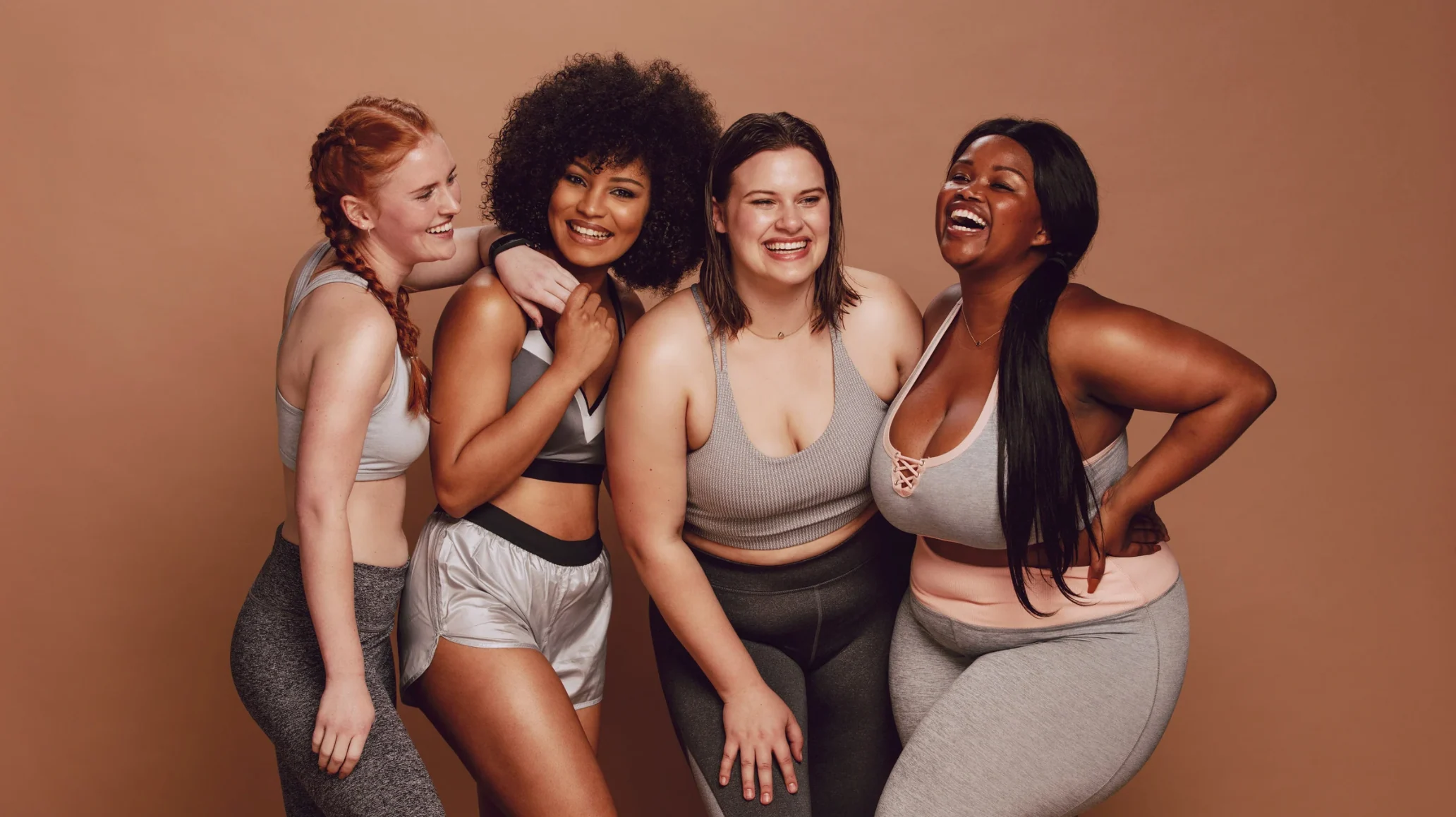
Sizing and fit play an important role in how customers experience your activewear. A pair of leggings may look good in a product photo, but customers also expect it to stay in place during movement. A sports bra needs to feel comfortable and provide the intended level of support, while a training top should allow enough room for the activities it is designed for.
For clothing brands, planning activewear sizing involves more than choosing a standard size range. You need to understand your target customers, define the intended fit, establish clear measurements, and test samples before production.
In this guide, we explain how to plan your activewear sizing and fit, from choosing a size range to preparing your specifications for manufacturing.
Why Sizing and Fit Matter in Activewear
Activewear needs to accommodate movement while maintaining the fit and appearance you want. Unlike garments designed primarily for appearance, many activewear styles also need to perform during activities such as gym training, yoga, Pilates, running, or padel.
Poor sizing decisions can lead to several problems. Leggings may slide down or feel too restrictive, sports bras may not provide the intended support, and training tops may limit movement around the shoulders.
Inconsistent sizing across products can also make it harder for customers to choose the right size when buying from your brand.
A clear sizing system helps you establish consistent product specifications, communicate fit expectations, and evaluate samples before approving production. It also gives your manufacturer a more reliable reference when developing patterns and grading sizes.
1. Understand Your Target Customers and Intended Activities
Before creating a size chart, identify who your activewear is designed for and how they will use it.
Start by considering your target audience’s needs, preferred fit, and intended activities. For example, customers looking for yoga wear may prioritize comfort and freedom of movement, while those buying training apparel may pay closer attention to garment stability, coverage, and support.
You should also consider the type of activewear you plan to develop. Leggings, sports bras, shorts, and training tops each have different measurement requirements and fit priorities.
Ask yourself a few questions before setting your sizing specifications:
- Who is your target customer, and what body measurements should your size range accommodate?
- Will your products have a close-fitting, compressive, regular, or relaxed silhouette?
- What movements should the garments accommodate?
- Which fit concerns are most important for each product category?
These answers help you develop sizing specifications around your customers rather than relying entirely on generic industry references.
2. Choose a Size Range for Your First Collection
Once you understand your target market, decide which sizes your first collection will offer.
Your size range should reflect your customer research, product positioning, and production plans. If you already have customer data, previous sales information, or feedback from your audience, use it to guide your decisions.
For a new brand without an established customer base, existing market research and fit testing can provide a useful starting point. Avoid choosing a size range solely because other activewear brands use it.
You should also consider how each size will fit across your product range. The measurements for a Medium sports bra will not necessarily follow the same proportions as a Medium training top or a pair of leggings.
Start with a clear size specification for each product, then review whether the range accommodates the customers you want to serve. You can refine your sizing as you gather feedback and learn more about how your products fit.
3. Define the Fit You Want for Each Product
A size label alone does not tell your manufacturer how a garment should fit. You also need to explain the intended silhouette, how closely the garment should sit against the body, and how much room it should allow during movement.
Close-Fitting and Compression Styles
Close-fitting activewear follows the body’s shape. Compression styles aim to apply a more specific level of pressure, so they require careful consideration of fabric stretch, recovery, and garment construction.
For leggings or fitted training tops, define the intended fit around the waist, hips, thighs, chest, and other relevant areas. Check that the garment stays in place without creating unwanted pulling or restricting movement.
Do not assume that every fitted garment provides compression. Confirm the intended performance through the fabric specifications, construction, and sample evaluation.
Regular and Relaxed Styles
Regular and relaxed activewear generally allows more room than close-fitting designs.
For training T-shirts, for example, consider the intended chest width, shoulder position, sleeve shape, and body length. A relaxed silhouette may require different proportions from a closer-fitting training top, even when both use the same size labels.
You can document the fit clearly so the finished garment matches your design rather than relying on terms such as regular or oversized alone.
4. Create a Size Chart With Clear Measurements
A size chart gives your team and manufacturer a shared reference for product development. Before preparing one, decide whether you are providing body measurements or measurements taken from a finished garment.
Body measurements describe the wearer, while garment measurements describe the clothing itself. The two are not interchangeable because garment measurements depend on the intended fit, construction, and amount of ease or stretch.
Read our guide to body measurements vs. garment measurements for a more detailed explanation.
The measurements you include will depend on the type of activewear you plan to produce.
Leggings
When developing leggings, consider waist and hip circumference, front and back rise, inseam, overall length, and waistband height. These measurements help define how the leggings sit around the waist and hips and how they fit along the legs. If your collection includes different styles, such as full-length and cropped leggings, specify the measurements for each style to ensure the finished garments match your design requirements.
Sports Bras
For sports bras, focus on bust and underbust measurements, band length and width, strap length and placement, body length, and neckline. You should also document the lining or cup construction if these features are part of your design. These specifications influence how the sports bra fits, stays in place, and provides the intended level of support during different activities.
Training Tops and T-Shirts
For training tops and T-shirts, consider chest or bust width, shoulder width, body length, sleeve length, and hem width. These measurements work together to determine the overall fit and range of movement. For example, a top may have the correct chest width but still feel restrictive if the shoulders are too narrow or the sleeves limit arm movement.
Use a consistent measurement method and unit throughout your size chart. Clearly state whether each measurement applies to the wearer’s body or the finished garment so your manufacturer can follow the specifications accurately.
5. Consider Fabric Stretch and Garment Construction
Sizing and fit do not depend on measurements alone. Fabric properties and garment construction can also influence how an activewear product feels and performs.
Two fabrics with similar measurements may behave differently when worn because they have different stretch and recovery properties. Construction details, such as elastic waistbands, lining, seam placement, and panel shapes, can also affect the fit.
When choosing fabrics for your collection, consider:
Stretch and recovery: Check how much the fabric stretches and how well it returns to its original shape. This is especially relevant for fitted leggings, sports bras, and other close-fitting styles.
Coverage: For garments that stretch considerably, evaluate how the material looks and feels when worn at the intended fit. Check coverage on the finished sample rather than assuming it from the fabric description alone.
Support and stability: Sports bras and other structured activewear may require specific construction details. Review the combined performance of the outer fabric, lining, elastic, straps, and pattern.
Seam placement: Seams can affect comfort and how the garment moves with the body. Check whether they create unwanted pressure or interfere with movement during the intended activity.
Your manufacturer can help you review fabric options and construction details based on your design requirements. Bali Garment offers activewear and sportswear product consultation to discuss fabric selection, sizing, fit, and construction during product development.
6. Test Your Activewear Samples Before Production
A size chart can communicate your intended measurements, but a physical sample helps you evaluate how those specifications work in practice.
Before moving into production, test the sample under conditions that reflect how customers will wear the garment.
Start by checking the basic fit. Compare the finished sample against your specifications and review the proportions, length, waistband, straps, and other design details.
Next, assess the garment during movement. Depending on the product, you may need to check:
- Whether leggings stay in place during squats, lunges, and stretches
- Whether a sports bra remains secure during its intended movements
- Whether a training top allows comfortable arm and shoulder movement
- Whether waistbands, seams, and straps remain comfortable during use
Whenever possible, assess the sample on wearers who represent different sizes within your target range. A garment that fits one person well may fit differently on someone with different proportions, even when both wear the same size.
Record feedback and identify any changes needed before approving the sample.
Bali Garment provides custom activewear sample development so brands can review fit, measurements, construction, and finishing before production.
7. Check Size Grading Across the Range
Size grading is the process of adjusting a base pattern to create additional sizes. A well-planned grading system helps maintain the intended fit and proportions throughout your size range.
However, simply increasing every measurement by the same amount will not necessarily produce consistent results.
Different parts of a garment may need different adjustments. For example, increasing the waist measurement of leggings does not automatically determine the correct changes to the hip, rise, or inseam measurements.
Review the measurements that influence the fit of each product, then evaluate the graded sizes to check that the proportions remain consistent with your design.
Whenever possible, request or review samples in more than one size, especially when developing a new product or introducing a wider size range. This helps identify fit issues that may not appear in the base sample.
Keep your grading specifications documented so your manufacturer can follow the same reference during repeat production.
8. Document Your Final Sizing Specifications
Once you have reviewed and approved the fit, record the final measurements and construction details in your tech pack or product specification sheet.
Your documentation should include the information your manufacturer needs to reproduce the approved garment accurately.
Depending on your product, this may include:
- The size range and measurement chart
- The intended fit and silhouette
- Fabric specifications and relevant material requirements
- Measurement points and acceptable tolerances
- Seam, waistband, strap, and lining details
- Notes from sample revisions and final approval
Include reference photos or diagrams when they help explain specific measurement points or construction details. Clear documentation reduces the chance of confusion during production and gives your team a reference for future orders.
You should also establish how your brand will communicate sizing to customers. Keep product measurements and size labels consistent across your website, product pages, and garment labels. Where appropriate, explain how customers should use the size chart to select a suitable size.
Common Mistakes to Avoid When Planning Activewear Sizing
Even a well-designed activewear collection can encounter sizing issues if you overlook the details during development.
Here are some common mistakes to watch for:
Using a generic size chart without reviewing the fit. Standard size references can provide a starting point, but you still need to evaluate the measurements against your design and target customers.
Using the same fit specifications for every product. Leggings, sports bras, shorts, and training tops have different construction requirements. Define the measurements and fit priorities for each style.
Choosing fabric before considering the intended fit. Fabric stretch, recovery, and construction affect the finished garment. Review these factors together during product development.
Approving production based on one sample fitting alone. A single fitting may not reveal how every size will perform. Check the graded measurements and evaluate additional sizes when practical.
Changing measurements without updating your documentation. Keep the size chart, pattern specifications, and approved sample aligned whenever you make revisions.
By addressing these details early, you can create a more consistent sizing system and make product development easier to manage.
Frequently Asked Questions
Start with your target customers, market research, and the intended fit of each product. Use available customer data to guide your size range, then evaluate your sizing through sample testing and customer feedback. Working with an experienced manufacturer like Bali Garment can also help you discuss sizing specifications and fit requirements during product development.
Both can be useful, depending on your starting point. Body measurements help you understand the wearer’s proportions, while garment measurements describe the finished product. Make it clear which type of measurement you provide to your manufacturer to ensure accurate specifications.
Compare your sample against the measurement chart, assess the garment during its intended movements, and review comfort, coverage, stretch recovery, and construction. Bali Garment offers sample development services that allow brands to review garment fit, measurements, and construction before proceeding with production.
Yes. Stretch, recovery, fabric weight, and construction can influence how a garment fits and feels. Consider these properties alongside your measurements, and test the finished sample to confirm that it meets your requirements. Bali Garment can discuss fabric options and product specifications during the development process to help you make informed decisions for your collection.
Yes. An activewear manufacturer can discuss measurements, pattern development, fabric selection, and fit requirements based on your design references. Bali Garment provides product consultation and sample development services to help brands discuss their product specifications and assess samples before production. Preparing a tech pack or reference garment can help communicate your sizing expectations more clearly.
Final Thoughts
Developing a consistent activewear size range starts with understanding your customers and defining how each product should fit. Clear measurements, suitable fabrics, thoughtful construction, and sample testing can help you identify fit issues before production begins.
Bali Garment works with activewear and sportswear brands on product consultation, sample development, and garment production in Bali. You can share your existing tech pack, reference garments, or initial design ideas to discuss your sizing requirements and development process.
Explore our custom activewear and sportswear manufacturing services or contact Bali Garment to discuss your collection.